
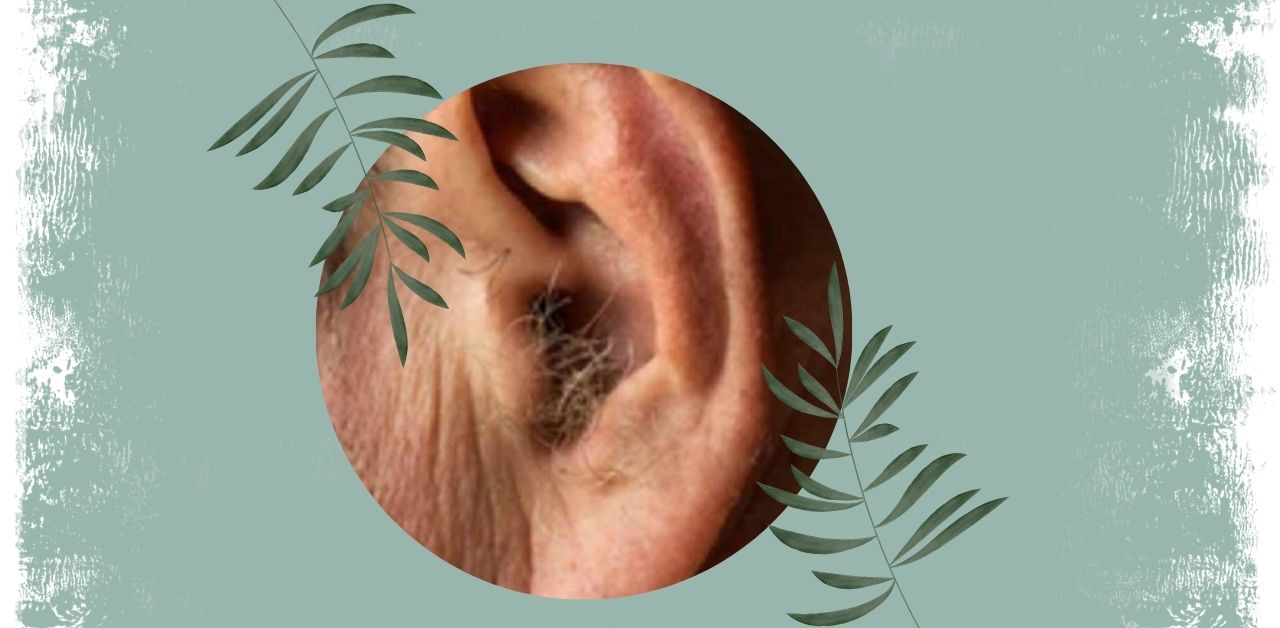
Ear hair is a natural but often overlooked feature of the human body. While most people associate hair growth with the scalp, eyebrows, or beard, the ears—particularly the outer ear and canal—can also develop noticeable hair. This phenomenon tends to become more prominent with age and is influenced by genetics, hormones, and cultural factors. Understanding why ear hair grows and how to manage it can help normalize this aspect of human biology.
Why Ear Hair Grows
- Hormonal Influence: Testosterone and other androgens stimulate hair follicles. As men age, hormonal changes can cause hair to grow in new places, including the ears.
- Genetic Factors: Some individuals are predisposed to ear hair growth due to inherited traits.
- Age-Related Changes: Hair follicles in the ears may become more active later in life, especially in men over 50.
- Protective Function: Fine hair inside the ear canal helps trap dust and debris, serving as a natural defense mechanism.
Cultural and Social Perspectives
- In some cultures, ear hair is seen as a sign of wisdom or maturity.
- In modern grooming standards, visible ear hair is often considered undesirable, leading to widespread removal practices.
- Historical records show that body hair patterns, including ear hair, were sometimes linked to masculinity and vitality.
Common Methods of Management
- Trimming: Using small scissors or electric trimmers designed for ear and nose hair.
- Waxing or Plucking: Provides longer-lasting results but can be uncomfortable.
- Laser Hair Removal: A more permanent solution, though costly and requiring professional care.
- Safe Practices: Avoid inserting sharp tools deep into the ear canal, as this can cause injury.
Health Considerations
- Excessive ear hair itself is not harmful, but improper removal can lead to infections or irritation.
- Hair inside the canal should generally be left alone, as it plays a protective role.
- Visible outer ear hair can be safely managed with trimming tools.
Conclusion
Ear hair growth is a natural part of aging, especially for men, and is influenced by hormones and genetics. While it may carry social stigma in some contexts, it also has functional benefits. With safe grooming practices, individuals can manage ear hair without compromising ear health.