
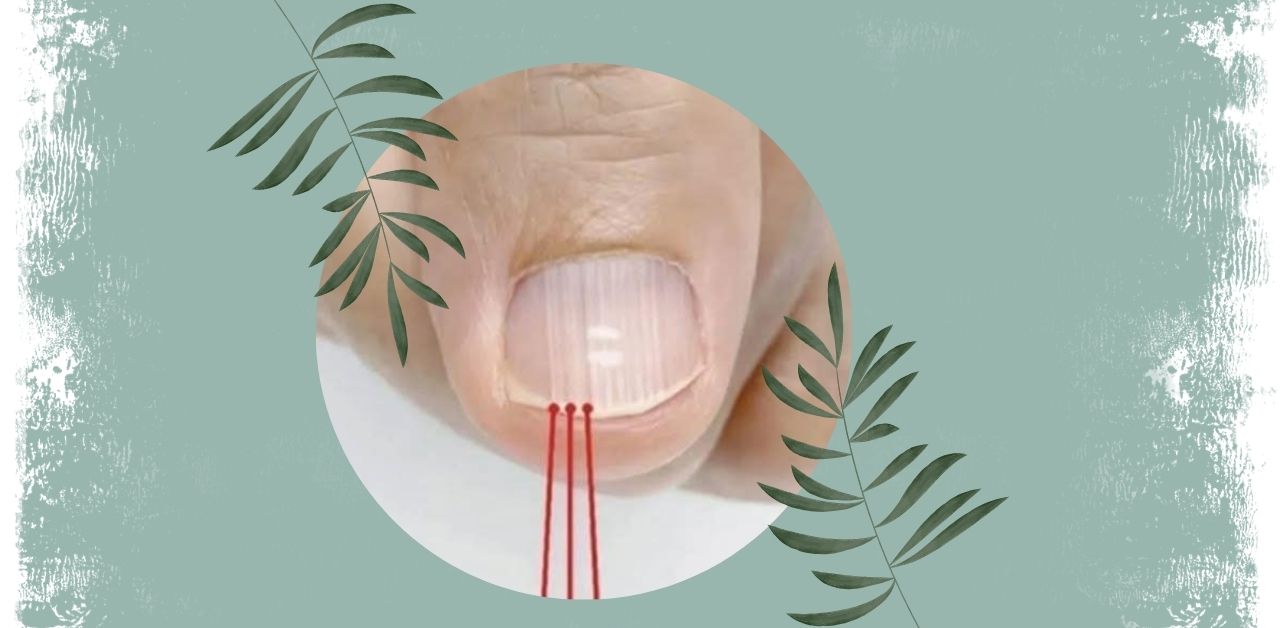
The human nail is more than just a protective covering for the fingertips—it is also a subtle indicator of overall health. Changes in the nail’s appearance, texture, or structure often draw attention, especially when they seem unusual or striking. One such phenomenon is the appearance of thread-like lines, ridges, or marks that seem to emerge from the nail surface. While this may look dramatic, it is important to understand what nail changes can mean, how they occur, and when they may require closer attention.
Normal Nail Structure
Nails are composed of keratin, a protein that also forms hair and skin. They grow from the nail matrix beneath the cuticle, extending outward as new cells harden. A healthy nail is smooth, slightly curved, and free of irregularities. Minor ridges or faint lines are common and usually harmless, reflecting natural growth patterns.
Possible Causes of Nail Changes
Thread-like marks or unusual lines on nails can result from several factors:
- Trauma or injury: Pressure or impact on the nail may cause ridges or marks as it heals.
- Nutritional deficiencies: Lack of essential vitamins or minerals can affect nail growth.
- Skin conditions: Issues such as eczema or psoriasis may extend to the nails.
- Infections: Fungal infections can alter nail texture and appearance.
- Systemic health factors: Certain illnesses may cause visible changes in nail growth.
Appearance and Variations
Nail changes can present in different ways:
- Vertical ridges: Often harmless, linked to aging or minor trauma.
- Horizontal lines: May indicate temporary disruption in nail growth.
- Discoloration: Yellow, white, or red streaks can signal infection or irritation.
- Raised or embedded marks: Sometimes linked to external pressure or underlying conditions.
Care and Management
Most nail changes are harmless and improve with simple care:
- Maintain hygiene: Keep nails clean and trimmed to prevent buildup.
- Moisturize regularly: Hydrated nails are less prone to cracking or ridging.
- Protect nails: Use gloves when working with chemicals or during heavy tasks.
- Balanced diet: Ensure adequate intake of vitamins and minerals to support nail health.
When to Seek Medical Advice
While many nail changes are minor, professional evaluation may be needed if:
- Marks or ridges persist for months without improvement.
- Nails become painful, brittle, or unusually thick.
- Discoloration spreads or worsens.
- Other symptoms accompany nail changes, such as swelling or discomfort.
Conclusion
Unusual nail changes, such as thread-like marks or ridges, often spark curiosity and concern. While many are harmless and linked to everyday factors like trauma or aging, persistent or dramatic changes may signal underlying issues. Paying attention to nail health encourages better overall care and ensures that any significant problems are addressed promptly. By combining awareness with simple routines, nails can remain strong, healthy, and reliable indicators of well-being.