
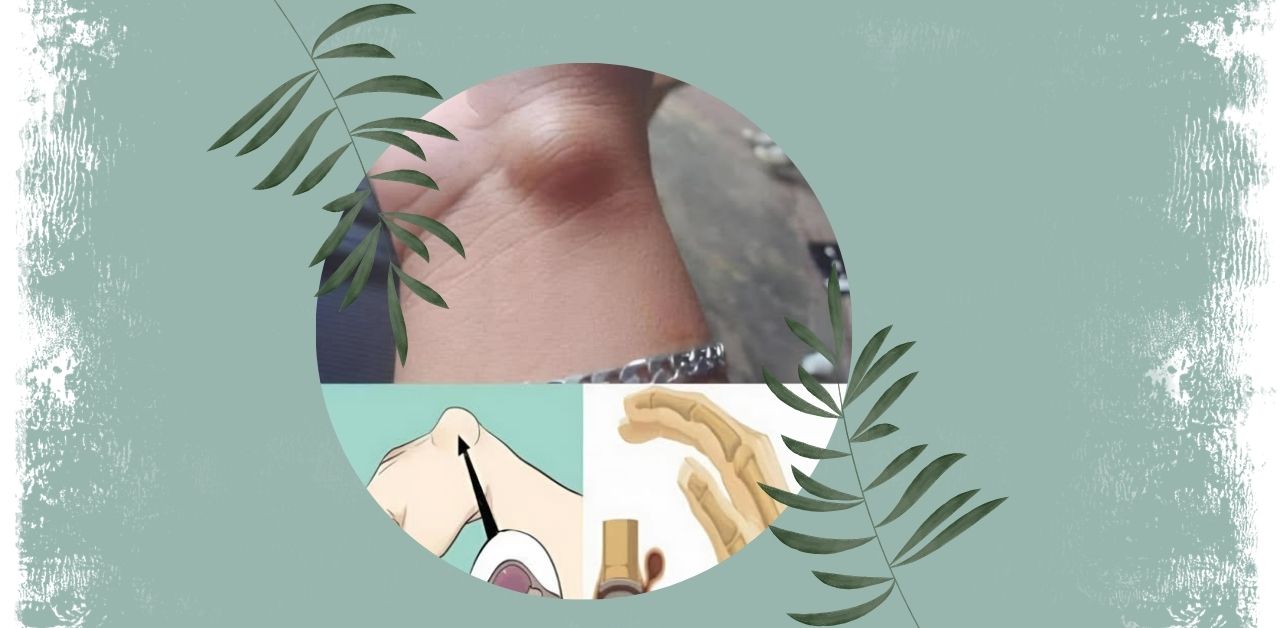
Ganglion cysts are one of the most common benign swellings that appear near joints or tendons, particularly around the wrist. They often present as round or oval lumps filled with a jelly-like fluid. While they may look concerning, these cysts are generally harmless and noncancerous. Their appearance can vary in size, sometimes growing larger with activity and shrinking when at rest. Understanding what ganglion cysts are, why they form, and how they are managed can help reduce worry and encourage proper care.
What is a Ganglion Cyst?
A ganglion cyst is a fluid-filled sac that develops along the joint capsule or tendon sheath. The fluid inside is similar to synovial fluid, which lubricates joints. These cysts most commonly occur on the back of the wrist but can also appear on the palm side, fingers, or ankles. They may feel firm or spongy and are usually smooth to the touch.
Causes and Risk Factors
The exact cause of ganglion cysts is not fully understood, but they are believed to result from:
- Leakage of synovial fluid from a joint or tendon sheath.
- Repetitive stress or overuse of the wrist joint.
- Minor injuries that weaken the joint capsule.
They are more common in women and often appear between the ages of 20 and 40. Occupations or activities that involve repetitive wrist movements may increase the likelihood of developing them.
Symptoms and Appearance
Ganglion cysts may present with:
- A visible lump near the wrist or hand.
- Discomfort or aching, especially when moving the joint.
- Pressure on nearby nerves, causing tingling or weakness.
- Fluctuating size, sometimes enlarging with activity.
In many cases, they cause no pain and are discovered incidentally.
Diagnosis
A healthcare professional typically diagnoses ganglion cysts through physical examination. The lump’s location, texture, and mobility provide clues. Sometimes imaging tests such as ultrasound or MRI are used to confirm the diagnosis and rule out other conditions.
Management and Care
Most ganglion cysts do not require treatment unless they cause pain or interfere with movement. Common approaches include:
- Observation: Many cysts resolve on their own over time.
- Immobilization: Wearing a wrist brace may reduce size by limiting movement.
- Aspiration: A doctor may drain the fluid with a needle, though cysts can recur.
- Surgical removal: In persistent or painful cases, surgery may be recommended to remove the cyst and its stalk.
Practical Self-Care Tips
- Avoid repetitive strain on the wrist when possible.
- Use supportive braces during activities that stress the joint.
- Apply warm compresses to ease discomfort.
- Seek medical evaluation if the cyst grows rapidly, causes significant pain, or limits mobility.
Conclusion
Ganglion cysts are common, benign swellings that often appear near the wrist joint. While they may cause concern due to their appearance, they are generally harmless and manageable. Understanding their nature helps reduce anxiety and encourages appropriate care. Whether observed, aspirated, or surgically removed, the focus remains on maintaining comfort and function.