
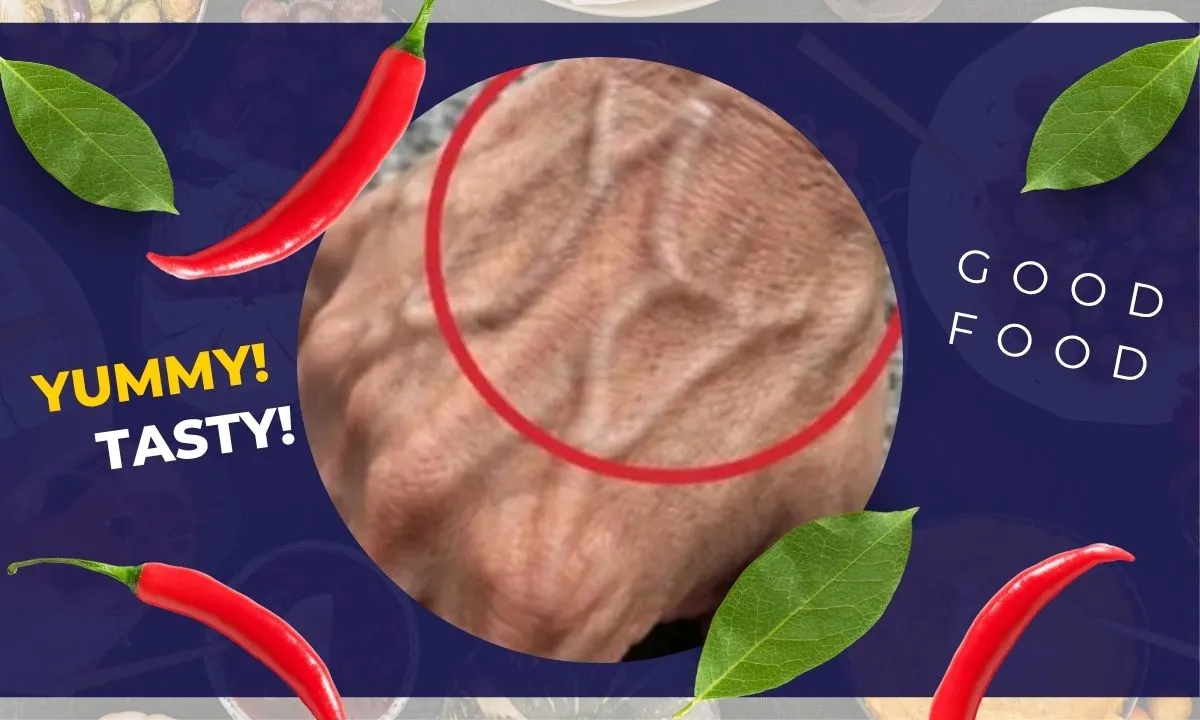
Visible veins, often referred to as “prominent veins,” are a common sight, especially on the hands, arms, and legs. While internet rumors often link them to specific diseases or “miracle” health statuses, the reality is usually much more grounded in biology and lifestyle.
If your veins are easily visible through your skin, it generally indicates one or more of the following physiological factors:
1. Low Body Fat Percentage
One of the most common reasons for visible veins (vascularity) is a low level of subcutaneous fat. Since fat sits between your skin and your muscles, having less of it means the veins are pushed closer to the surface, making them pop out. This is why athletes and bodybuilders often have highly visible veins.
2. Physical Exertion and Exercise
During exercise, your blood pressure rises slightly to push oxygenated blood to your muscles. This causes your veins to dilate (expand) to handle the increased blood flow. Regular strength training also increases muscle mass, which pushes the veins further against the skin’s surface.
3. Aging and Skin Elasticity
As we age, our skin naturally becomes thinner and loses elasticity. Additionally, the valves in our veins can weaken over time, causing blood to pool slightly longer and making the veins appear larger or more twisted. On the hands, the loss of collagen and fat that comes with age makes the underlying vascular structure much more apparent.
4. Genetics
Some people are simply born with translucent skin or a genetic predisposition for larger, more superficial veins. If your parents or grandparents had prominent veins, there is a high likelihood you will too.
5. Temperature and Hydration
Veins play a major role in regulating body temperature. When you are hot, your veins dilate to help dissipate heat (vasodilation), making them look larger. Conversely, if you are severely dehydrated, your blood volume can decrease, which might actually make veins harder to find, though some people notice they appear more “wiry” or prominent against the skin.
When Should You Be Concerned?
For most people, visible veins are purely a cosmetic or natural physiological trait. However, you should consult a medical professional if your visible veins are accompanied by:
- Pain or Swelling: If the area around the vein feels tender or stays swollen.
- Color Changes: If the skin turns red, purple, or dark brown near the vein.
- Ulcers or Sores: Any skin breaks that don’t heal near prominent veins.
- Heavy Aching: A persistent “heavy” feeling in the limbs, often associated with varicose veins.
Quick Explain: The M-Shape
You might notice that the veins on the back of your hand often form a pattern resembling the letter “M.” This is a standard anatomical variation of the dorsal venous network. While some folklore suggests this has spiritual or personality-based meaning, it is actually just an efficient way for your body to return blood from the extremities to the heart.
Summary Table: Vein Prominence Factors
| Factor | Effect on Veins |
| High Muscle Mass | Pushes veins toward the skin surface. |
| Low Body Fat | Removes the “cushion” covering the veins. |
| Heat | Causes veins to widen to cool the body. |
| Thinned Skin | Makes the blue/green color of veins more visible. |
Note
Visible veins are often a sign of a high-functioning circulatory system or a lean physique. Unless they are bulging, painful, or causing skin discoloration, they are simply a normal part of your body’s unique map.