
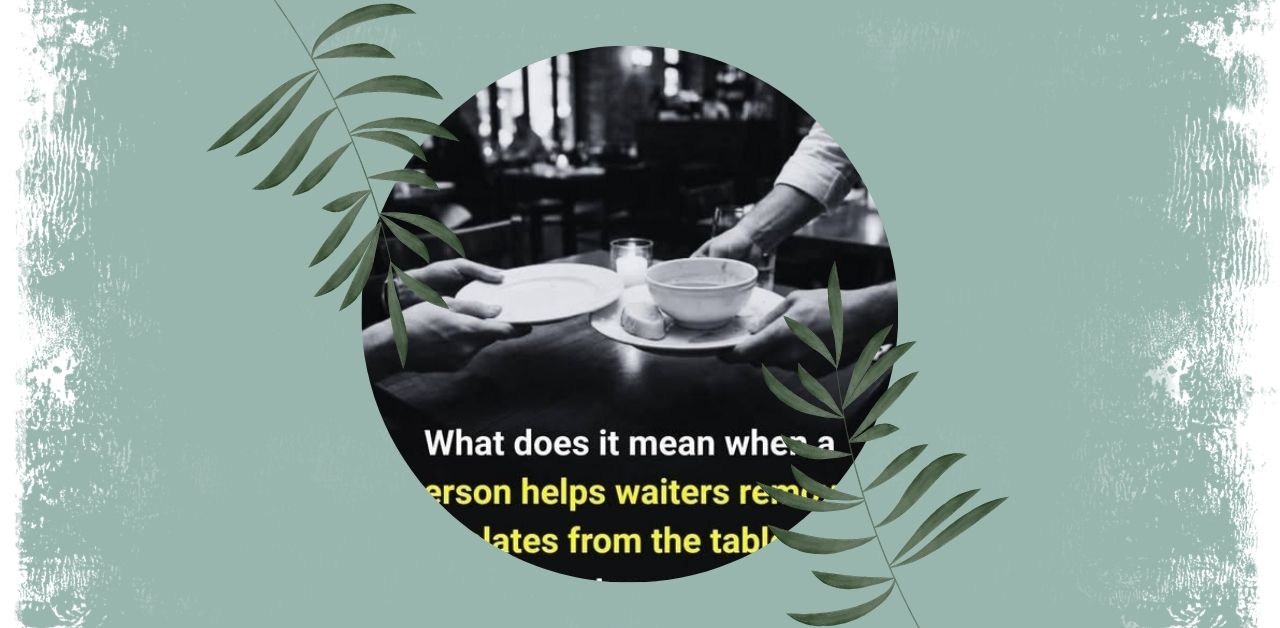
Dining out is not only about food; it is also a social experience shaped by etiquette, behavior, and subtle interactions. One interesting gesture often observed in restaurants is when a guest helps waiters by stacking or handing over plates. While this may seem like a small act, psychology suggests it can reveal aspects of personality, social awareness, and cultural conditioning. Understanding the meaning behind such behavior provides insight into how individuals express cooperation, empathy, and social identity in everyday situations.
Social Etiquette and Cooperation
Helping waiters remove plates can be seen as a cooperative gesture. It reflects a willingness to participate in the shared responsibility of maintaining order at the table. From a psychological perspective, this act demonstrates prosocial behavior — actions intended to benefit others. People who engage in such gestures often value harmony and efficiency, showing consideration for the waiter’s workload.
Personality Traits Reflected
- Empathy and kindness: Assisting with plates may indicate empathy, as the person recognizes the effort required by the waiter and seeks to ease it.
- Conscientiousness: Individuals who are detail-oriented and responsible may naturally extend their organizational tendencies into social settings, including dining.
- Agreeableness: This trait, associated with cooperation and helpfulness, often manifests in small acts of service like handing plates to staff.
- Modesty: Some people may help as a way of showing humility, signaling that they do not view themselves as above assisting with simple tasks.
Cultural and Social Influences
In some cultures, helping waiters is considered polite and respectful, while in others it may be seen as unnecessary or even intrusive. Social conditioning plays a role in shaping how individuals perceive such actions. For example:
- In collectivist cultures, where group harmony is emphasized, helping with plates may be a natural extension of communal values.
- In individualistic cultures, where roles are more defined, guests may refrain from assisting, leaving tasks strictly to staff.
Psychological Motivations
- Desire for connection: Helping can be a subtle way of building rapport with the waiter, creating a sense of friendliness and mutual respect.
- Control and involvement: Some individuals feel more comfortable when they participate actively in their environment, even in small ways like clearing plates.
- Social signaling: The gesture can serve as a signal to others at the table, showing attentiveness, helpfulness, or even leadership in maintaining order.
Potential Misinterpretations
While the intention is often positive, helping waiters can sometimes be misinterpreted. Staff may view it as disrupting their workflow or interfering with established service routines. Psychology notes that context matters: the same gesture can be seen as thoughtful in one setting and awkward in another. Awareness of social cues and cultural norms is essential to ensure the act is received as intended.
Conclusion
Helping waiters remove plates is more than a casual gesture; it reflects deeper psychological traits such as empathy, agreeableness, and social awareness. It can also be influenced by cultural norms and personal motivations. While generally seen as a sign of kindness and cooperation, the meaning of the act depends on context and interpretation. Ultimately, this small behavior highlights how everyday actions in social settings can reveal much about personality and values.