
Numbness and tingling in the hands and feet are sensations that many people experience at some point in their lives. These feelings can range from mild and occasional to persistent and disruptive. While they may seem harmless at first, they often signal underlying issues that deserve attention. The body communicates through sensations, and when nerves or circulation are affected, tingling or numbness can be the result.
Causes of Numbness and Tingling One of the most common causes is nerve compression. The nerves in the hands and feet are delicate pathways that transmit signals from the body to the brain. When these nerves are compressed, irritated, or inflamed, the signals can be disrupted, leading to tingling or numbness. Tendon inflammation, as seen in repetitive strain injuries, can press against nerves and create these sensations. Poor circulation is another factor; when blood flow is restricted, the tissues and nerves may not receive enough oxygen, resulting in a tingling feeling. Conditions such as diabetes, vitamin deficiencies, or prolonged pressure on a limb can also contribute.
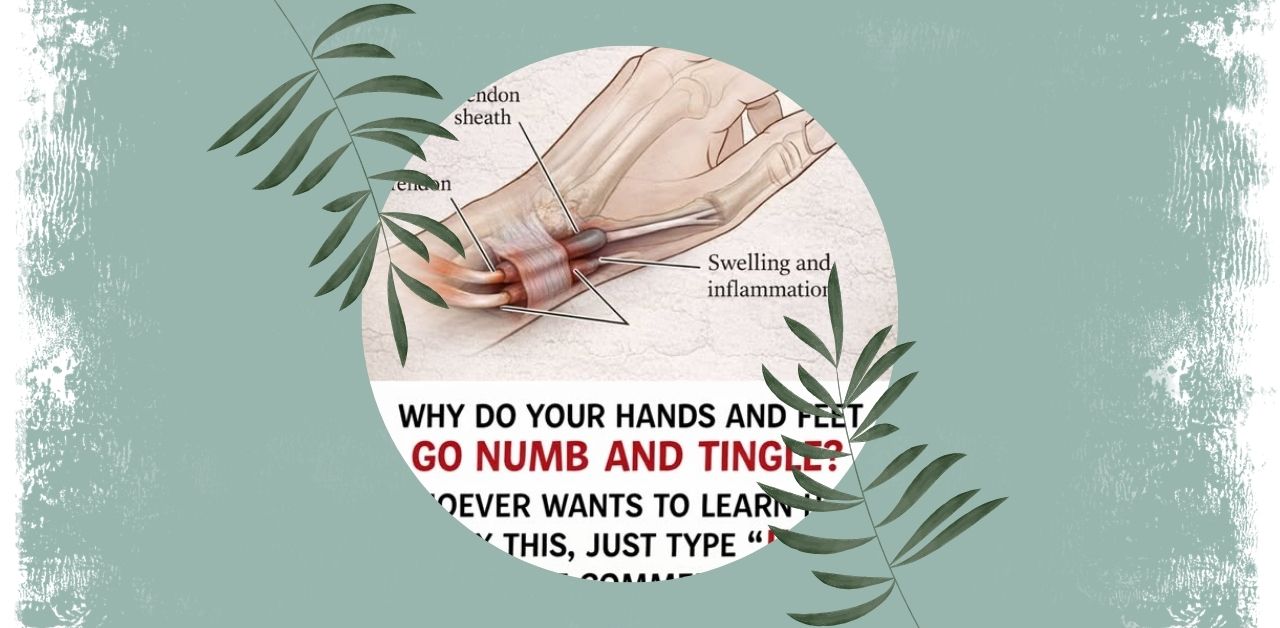
The Role of Tendons and Sheaths Tendons are strong cords that connect muscles to bones, allowing movement. They are surrounded by protective sheaths that help them glide smoothly. When these sheaths become inflamed, swelling can occur, pressing against nearby nerves. This is often seen in the wrist or ankle, where repetitive movements or strain can lead to discomfort. The inflammation not only causes pain but can also interfere with nerve function, producing numbness or tingling sensations.
Lifestyle Factors Daily habits play a significant role in nerve health. Sitting or standing in one position for too long can restrict circulation. Poor posture, especially when using computers or mobile devices, can strain the wrists and hands. Footwear that is too tight may compress nerves in the feet. Even stress can contribute, as tense muscles may put pressure on nerves. Paying attention to these factors can help reduce episodes of numbness and tingling.
Practical Approaches to Relief Gentle stretching and movement are often helpful. Rotating the wrists, flexing the fingers, or stretching the feet can relieve pressure and improve circulation. Warm compresses may soothe inflammation, while cold compresses can reduce swelling. Maintaining a balanced diet rich in vitamins, especially B vitamins, supports nerve health. Hydration is equally important, as fluids help maintain circulation and tissue function.
When to Seek Professional Help While occasional tingling may not be serious, persistent or worsening symptoms should not be ignored. If numbness interferes with daily activities, or if it is accompanied by weakness, pain, or loss of coordination, professional evaluation is necessary. A healthcare provider can determine whether the cause is related to nerve compression, circulation issues, or an underlying medical condition.
Conclusion Numbness and tingling in the hands and feet are signals from the body that something needs attention. Whether caused by tendon inflammation, nerve compression, or lifestyle factors, these sensations highlight the importance of caring for our nerves and circulation. Simple adjustments in posture, movement, and daily habits can make a difference, but persistent symptoms require professional guidance. By understanding the causes and taking proactive steps, individuals can reduce discomfort and support long-term wellness.