
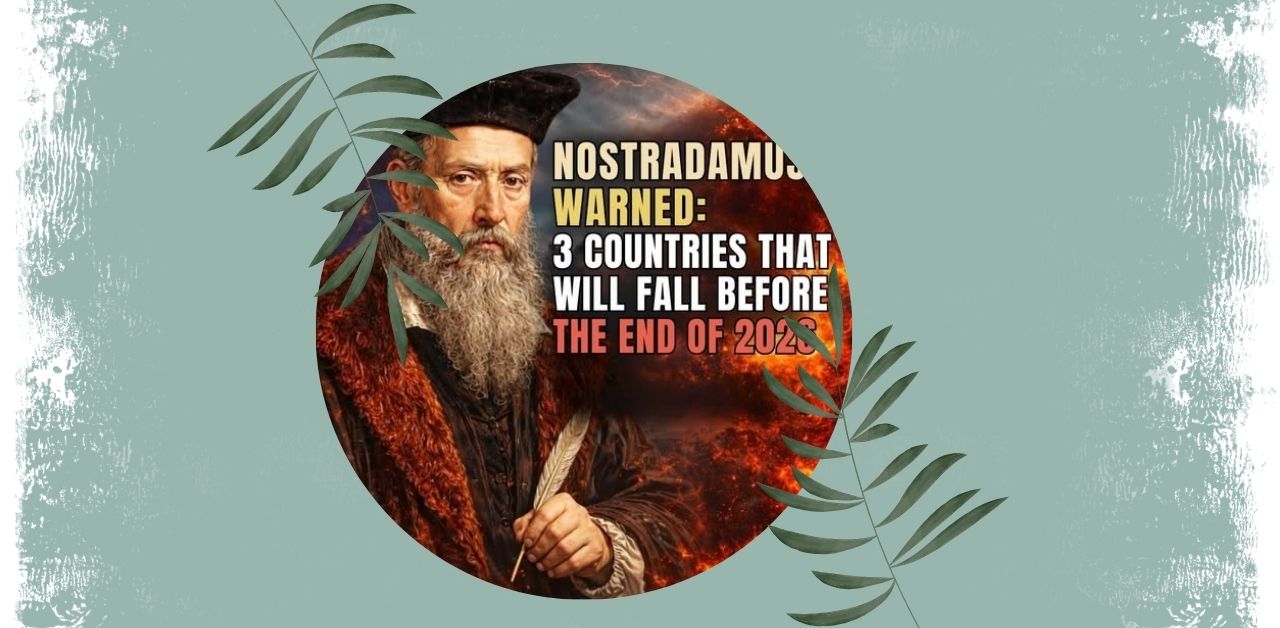
Throughout history, few figures have captured the imagination of readers and seekers of hidden knowledge as much as Nostradamus. Born Michel de Nostredame in 1503, he was a French astrologer, physician, and seer whose writings continue to spark debate centuries after his death. His most famous work, Les Prophéties, is a collection of quatrains—four-line verses—that many interpret as predictions of future events. Written in cryptic language, often mixing French, Latin, and regional dialects, these verses have been studied, debated, and reinterpreted across generations.
The enduring appeal of Nostradamus lies in the ambiguity of his words. His quatrains rarely name specific places or dates directly, instead weaving together symbolic imagery and allegorical references. This vagueness allows readers to apply his verses to different historical moments, from wars and revolutions to natural disasters and political upheavals. For some, this flexibility is proof of his prophetic genius; for others, it is evidence of coincidence and selective interpretation.
The Context of His Predictions
Nostradamus lived during a time of great uncertainty in Europe. The 16th century was marked by plagues, religious conflicts, and political instability. His writings reflect the anxieties of his era, often warning of turmoil, downfall, and renewal. Many of his quatrains speak of kingdoms collapsing, leaders being overthrown, and societies facing trials before finding balance again. These themes resonate across centuries because they mirror the cyclical nature of history itself—empires rise and fall, nations prosper and decline, and humanity continually faces challenges that test resilience.
Modern Interpretations
In modern times, Nostradamus’s verses are frequently revisited whenever global events stir fear or curiosity. Readers often search his writings for clues about wars, economic crises, or political shifts. The idea that he foresaw the downfall of certain nations or leaders is a recurring theme, though interpretations vary widely. Some enthusiasts argue that his quatrains align with contemporary geopolitical tensions, while skeptics maintain that the verses are too vague to be considered reliable predictions.
What is undeniable is the cultural impact of his work. Nostradamus has become a symbol of prophecy itself, representing humanity’s desire to understand the future and prepare for what lies ahead. His name is invoked in literature, films, and popular discussions whenever uncertainty looms.
The Broader Lesson
Rather than focusing on specific claims of which countries or leaders might fall, the broader lesson of Nostradamus’s writings is the reminder that change is inevitable. Nations, like individuals, experience cycles of growth and decline. His quatrains, whether prophetic or poetic, encourage reflection on the fragility of human institutions and the importance of resilience.
Conclusion
Nostradamus remains a figure of mystery, his verses continuing to inspire fascination and debate. Whether viewed as prophecy or poetry, his work reflects timeless themes of transformation, upheaval, and renewal. The tiny details in his quatrains may never be fully understood, but the larger message endures: history is shaped by cycles, and humanity must adapt to the challenges that arise.