
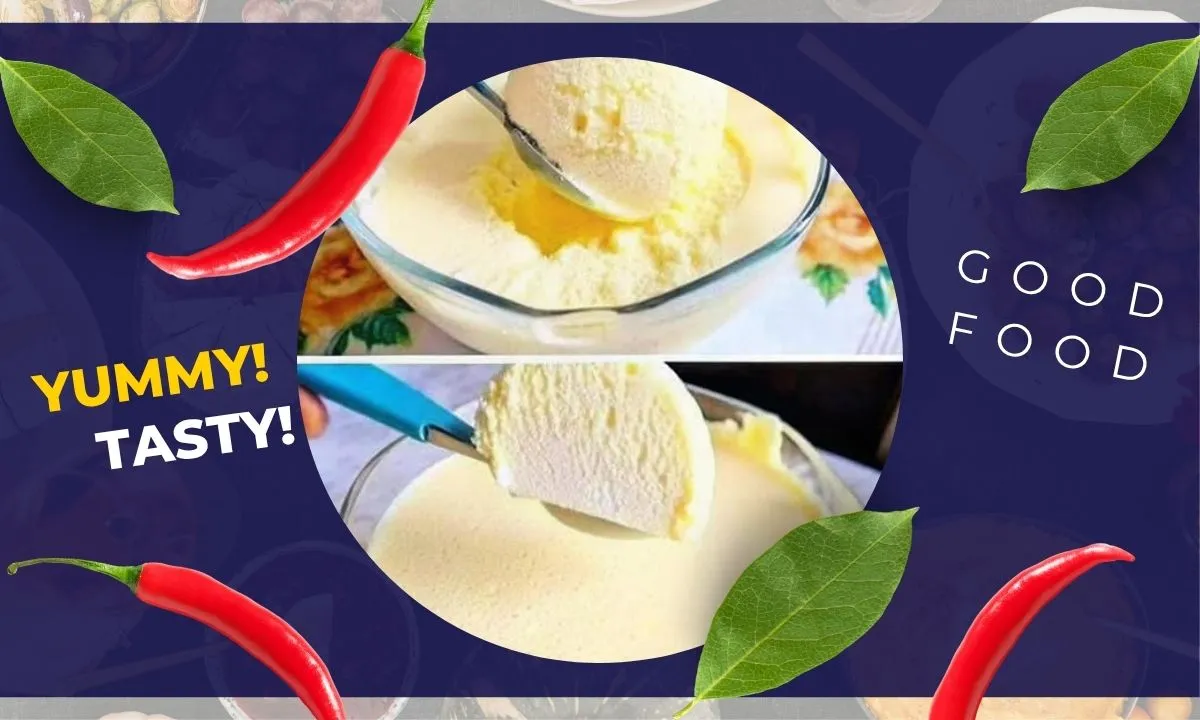
White chocolate mousse is a sophisticated, airy dessert that relies on the quality of its ingredients rather than complex techniques. Unlike dark chocolate mousse, which has a natural bitterness, white chocolate mousse is buttery and sweet, often enhanced with vanilla or a touch of sea salt. This recipe produces a stable yet velvety texture that can be served on its own or used as a decadent cake filling.
Ingredients
- 8 oz (225g) High-Quality White Chocolate: Use a bar meant for baking rather than chips, as it melts more smoothly.
- 1 1/2 cups Heavy Whipping Cream: Divided (1/2 cup for melting, 1 cup for whipping).
- 1 tsp Pure Vanilla Extract: For a floral, aromatic finish.
- 1/2 tsp Gelatin Powder (Optional): If you need the mousse to be extra stable for a layered cake.
- A tiny pinch of Fine Salt: To cut through the sugar.
- Fresh Raspberries or Mint: For garnish.
Step-by-Step Instructions
- Melt the Chocolate: Finely chop the white chocolate and place it in a heat-proof bowl. In a small saucepan, heat 1/2 cup of the heavy cream until it just begins to simmer. Pour the hot cream over the chocolate and let it sit for 2 minutes. Stir gently until completely smooth. Stir in the vanilla and salt.
- Cool: Allow the chocolate ganache to cool to room temperature. It should be thick but still pourable. If it is too hot, it will deflate your whipped cream; if it is too cold, it will create lumps.
- Whip the Cream: In a chilled bowl, whip the remaining 1 cup of heavy cream until soft peaks form. (The cream should hold its shape but the tips should curl over when the whisk is lifted).
- The Fold: Gently fold about one-third of the whipped cream into the white chocolate mixture to lighten it. Then, slowly and carefully fold in the remaining cream using a silicone spatula. Stop as soon as no white streaks remain.
- Set: Spoon the mousse into individual ramekins or glasses. Refrigerate for at least 3 hours (or overnight) to allow the cocoa butter in the chocolate to firm up.
- Serve: Garnish with fresh berries just before serving.
Quick Explain: The Emulsion Process
The texture of mousse is a result of an air-in-fat emulsion. When you whip cream, you are trapping air bubbles inside a network of fat globules. When this is folded into the melted chocolate, the cocoa butter acts as a structural stabilizer. White chocolate contains more milk solids and fats than dark chocolate, which means it provides a denser, more “custard-like” mouthfeel. Because of its high fat and sugar content, a single serving takes about 2 hours to process in the digestive system.
Nutrition Facts (Per Serving)
| Nutrient | Amount |
| Calories | 310 kcal |
| Total Fat | 24g |
| Sodium | 45mg |
| Total Carbs | 21g |
| Fiber | 0g |
| Protein | 3g |
Note
White chocolate can be temperamental when melting. Always use low, indirect heat. If your chocolate “seizes” (turns grainy), you can sometimes save it by whisking in a teaspoon of warm heavy cream until it smooths out again. For the best flavor, look for white chocolate that lists cocoa butter as a primary ingredient, not vegetable oil.