
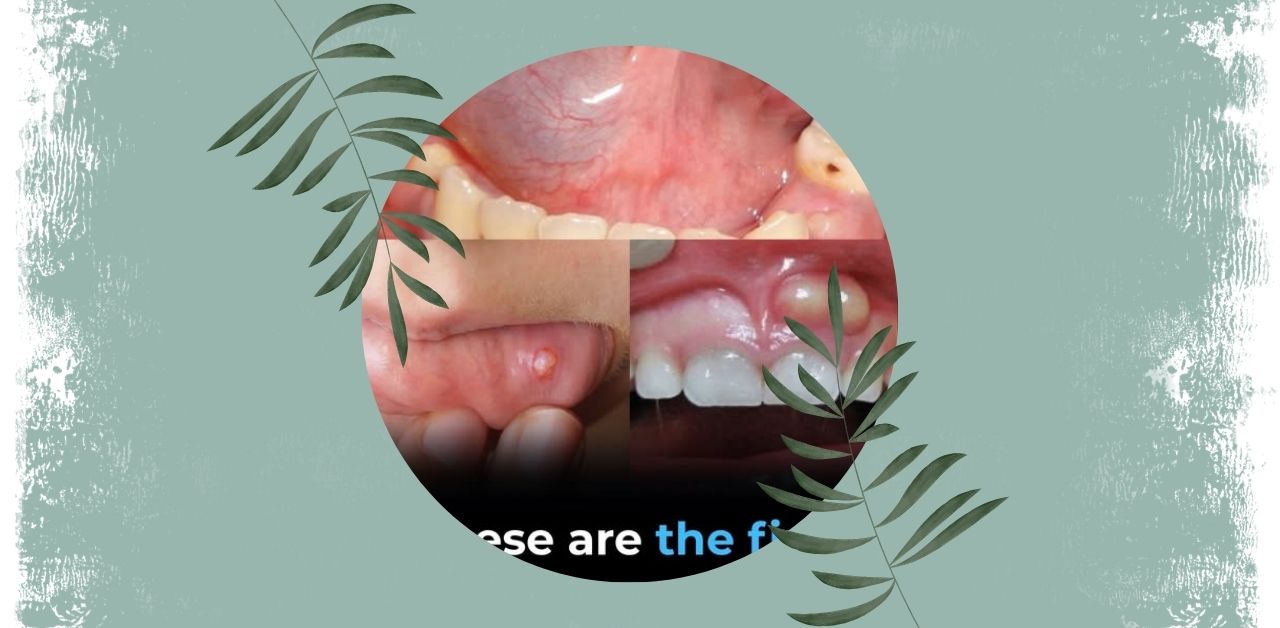
Oral health is a vital part of overall well-being, yet it is often overlooked until discomfort or visible changes appear. The mouth is a sensitive environment where small issues can quickly develop into larger concerns if not addressed. Early symptoms such as swelling, redness, or lesions can indicate underlying conditions ranging from minor irritations to infections or systemic health problems. Recognizing these signs early allows for timely care and prevention of complications.
Common Early Symptoms
1. Swelling beneath the tongue
The underside of the tongue and the floor of the mouth are areas where swelling may occur due to blocked salivary glands, infections, or inflammation. This swelling can feel uncomfortable and may interfere with speaking or eating. While sometimes temporary, persistent swelling should be evaluated to rule out conditions such as salivary gland stones or infections.
2. Raised lesions on the lips
A small bump or lesion on the lip can result from trauma, irritation, or viral infections. These lesions may appear as fluid-filled sacs, firm nodules, or ulcerated spots. Although many are harmless and resolve on their own, recurring or painful lesions can signal conditions like cold sores, mucoceles, or other oral pathologies.
3. Redness and swelling of the gums
Healthy gums are firm and pink, but redness and swelling are early indicators of gum disease. Gingivitis, the mildest form, often begins with irritation caused by plaque buildup. If untreated, it can progress to periodontitis, a more serious condition that affects the supporting structures of the teeth. Early gum inflammation may also be linked to systemic health issues, making it important to address promptly.
Causes Behind These Symptoms
- Poor oral hygiene: Plaque and bacteria accumulation can irritate tissues, leading to swelling and redness.
- Infections: Viral, bacterial, or fungal infections often manifest as lesions or inflammation in the mouth.
- Blocked salivary glands: Obstructions can cause swelling beneath the tongue or in the floor of the mouth.
- Nutritional deficiencies: Lack of vitamins such as B12 or iron can contribute to oral lesions and gum problems.
- Systemic conditions: Diabetes, autoimmune disorders, and other health issues may present early signs in the mouth.
Importance of Early Recognition
Identifying these symptoms early is crucial because oral health problems can escalate quickly. Gum disease, for example, begins with mild irritation but can lead to tooth loss if untreated. Similarly, persistent lesions may indicate more serious conditions requiring medical attention. Early recognition allows for preventive measures, professional evaluation, and treatment before complications arise.
Preventive Measures
- Maintain oral hygiene: Brushing twice daily, flossing, and using mouthwash reduce plaque and bacteria.
- Stay hydrated: Adequate water intake supports saliva production, which protects oral tissues.
- Balanced diet: Nutrients such as calcium, vitamin D, and iron strengthen teeth and gums.
- Regular dental checkups: Professional cleanings and examinations help detect issues early.
- Avoid irritants: Limiting tobacco, alcohol, and overly acidic foods reduces oral irritation.
Conclusion
The mouth often provides the first clues to underlying health conditions. Swelling beneath the tongue, raised lesions on the lips, and gum redness are all early signs that should not be ignored. While some causes are minor, others may require professional evaluation. By practicing preventive care and paying attention to changes in oral health, individuals can protect themselves from more serious complications.