
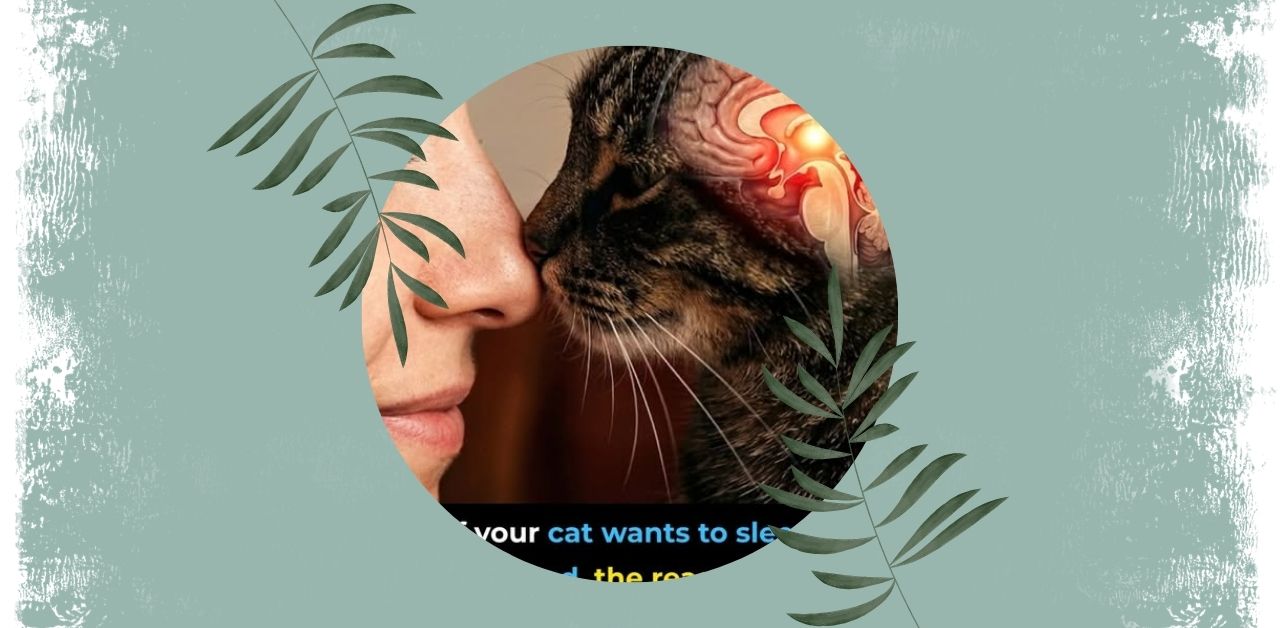
Cats are mysterious companions, often displaying behaviors that seem affectionate yet puzzling. One of the most common and endearing habits is their desire to sleep in their owner’s bed. While many interpret this as a simple sign of comfort, psychology and animal behavior studies suggest that this detail is far from innocent. It reveals important aspects of feline bonding, trust, and even their instinctive survival strategies.
A Sign of Trust and Security
Cats are naturally cautious animals. In the wild, they are both predators and prey, which makes them highly selective about where they rest. Choosing to sleep in your bed indicates that your cat feels safe in your presence. This trust is profound because sleep is the most vulnerable state for any animal. By curling up beside you, your cat is signaling that it sees you as a protector and part of its secure environment.
Emotional Bonding
Sleeping near you is also a way for cats to strengthen their emotional connection. Cats form attachments similar to those seen in human relationships. The warmth of your body, your scent, and the rhythm of your breathing provide comfort. This closeness can reduce stress for both the cat and the owner, creating a mutual sense of calm and companionship.
Instinctive Behavior
Beyond affection, there is an instinctive explanation. Cats are drawn to warmth, and your bed offers a cozy environment. However, the choice to sleep specifically next to you goes beyond temperature. It reflects their instinct to stay close to their “family unit.” In multi-cat households, cats often sleep together for safety and bonding. When your cat chooses you, it is treating you as part of its social group.
Psychological Meaning
From a psychological perspective, cats sleeping in your bed can be interpreted as a sign of attachment and dependency. They may seek reassurance, especially if they are anxious or if changes have occurred in their environment. This behavior can also indicate that your cat views you as a source of stability. For many owners, this is a reminder of the deep emotional role they play in their pet’s life.
The Hidden Detail
The detail that few people recognize is that this behavior is not just about comfort — it is a reflection of your cat’s neurological and emotional state. Studies suggest that cats release oxytocin, the “bonding hormone,” when they are close to trusted humans. This means that when your cat sleeps in your bed, it is experiencing genuine emotional satisfaction, similar to the way humans feel when close to loved ones.
Conclusion
A cat choosing to sleep in your bed is more than a cute habit. It is a clear sign of trust, emotional bonding, and instinctive attachment. Far from being innocent, this detail reveals the depth of your cat’s connection to you. By allowing them to share your sleeping space, you are reinforcing that bond and providing them with the security they crave.