
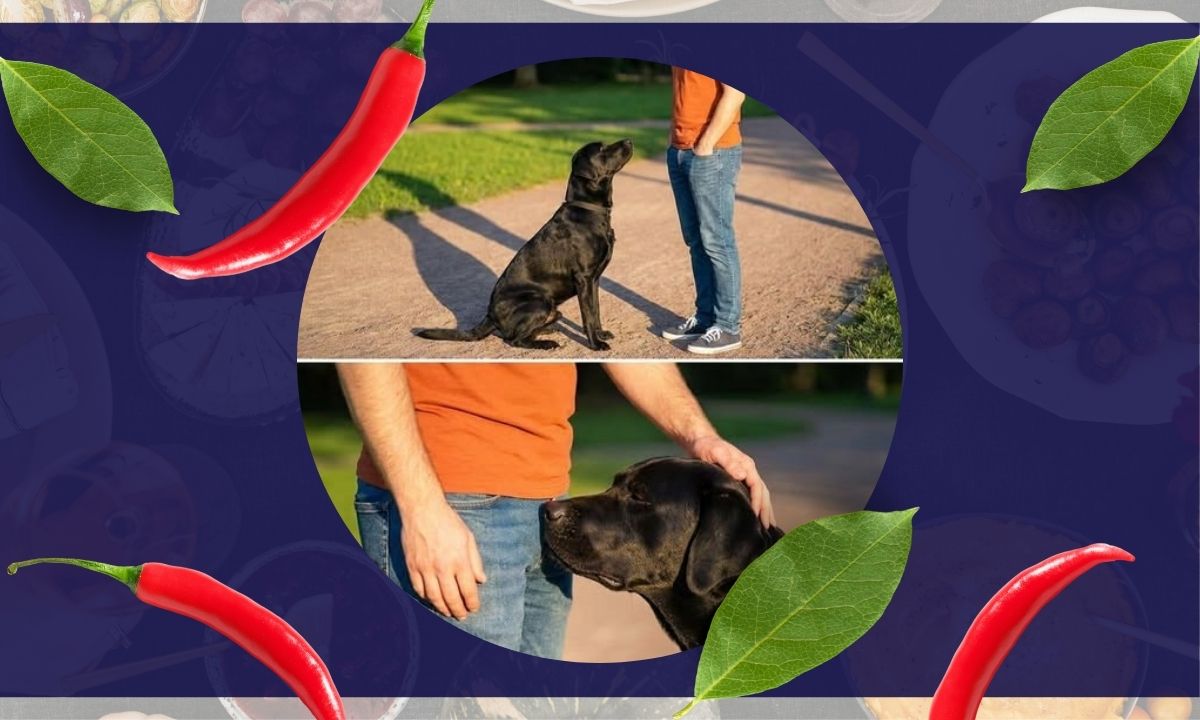
This article explains why dogs sometimes sniff human private areas, the science behind this behavior, and how to respond appropriately.
Explain
Dogs rely on their sense of smell far more than humans. Their noses contain up to 300 million scent receptors, compared to about 5 million in humans. This extraordinary ability allows them to gather information about people and other animals through scent.
Why Dogs Sniff Private Areas
1. Gathering Information
- Dogs sniff to learn about a person’s mood, health, and hormonal changes.
- Sweat glands in the groin area release pheromones, which dogs detect easily.
2. Social Behavior
- Among dogs, sniffing is a normal greeting ritual.
- When directed at humans, it’s simply their way of saying hello and learning more.
3. Detecting Health Changes
- Dogs can sometimes detect illnesses, infections, or hormonal shifts.
- Research shows trained dogs can identify certain cancers and medical conditions through scent.
4. Curiosity and Bonding
- Dogs are naturally curious and use sniffing to connect with their owners.
- It’s part of their instinctive way of interacting with the world.
How to Respond
- Stay calm: Don’t punish your dog; it’s natural behavior.
- Redirect gently: Offer your hand or let them sniff another part of your body.
- Train boundaries: Teach commands like “sit” or “leave it” to manage behavior.
- Provide stimulation: Regular walks and play reduce excessive sniffing.
Practical Tips
- Encourage polite greetings by rewarding calm behavior.
- Socialize your dog with people and other pets to reduce curiosity-driven sniffing.
- Remember: sniffing is not disrespectful — it’s communication in the dog’s world.
✅ In summary: Dogs sniff private areas because they detect pheromones and gather information about health, mood, and identity. While it may feel awkward, it’s a normal canine behavior. With gentle redirection and training, you can manage it while respecting your dog’s instincts.