
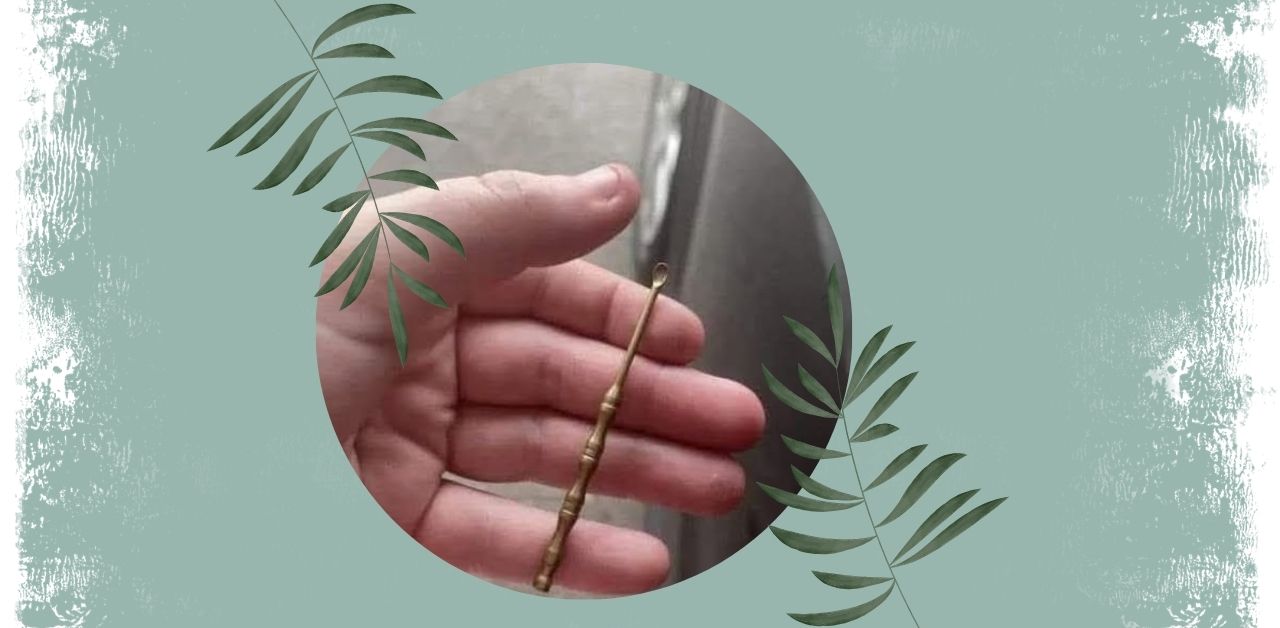
Among the many personal care instruments that have stood the test of time, the ear pick—sometimes called an ear spoon or earwax removal tool—remains one of the most intriguing. Slender, metallic, and often looped at the end, this tool has been used for centuries across cultures to maintain ear hygiene. While modern medicine often recommends safer alternatives, the ear pick continues to hold cultural, practical, and even aesthetic value in many parts of the world.
Historical Background
The origins of the ear pick can be traced back to ancient civilizations. In East Asia, particularly China and Japan, ear picks were crafted from bamboo, ivory, or precious metals and were often decorated with intricate designs. They were not merely utilitarian objects but also symbols of refinement and care. In Europe, similar instruments appeared in grooming kits during the Renaissance, reflecting the growing emphasis on personal hygiene among the upper classes.
Practical Function
The primary purpose of the ear pick is to remove earwax manually. The looped or spoon-shaped end is designed to scoop out wax gently. Unlike cotton swabs, which tend to push wax deeper into the ear canal, the ear pick allows for targeted removal. However, its effectiveness depends heavily on skill and caution. Improper use can cause injury, which is why many modern health professionals advise against it. Still, in households where the tool is a tradition, it is often used with care and passed down through generations.
Cultural Significance
In many Asian cultures, ear cleaning with a pick is more than a hygienic act—it is a ritual of intimacy and trust. Family members or close friends may clean each other’s ears, turning the process into a bonding experience. In Japan, for example, the practice of “mimikaki” (ear cleaning) is associated with comfort and affection, sometimes even offered as a service in specialized salons. The tool itself, often beautifully crafted, becomes a cherished item that reflects cultural values of care and closeness.
Modern Adaptations
Today, ear picks are made from stainless steel, brass, or plastic, often with ergonomic designs to minimize risk. Some include LED lights or magnifying features to improve visibility. While medical professionals generally recommend safer alternatives like ear drops or professional cleaning, the persistence of the ear pick in everyday life shows its enduring appeal. It represents a blend of tradition and practicality, surviving in a world increasingly dominated by disposable products.
Symbolism and Identity
Beyond hygiene, the ear pick symbolizes attentiveness to detail and personal care. Its small size belies its importance in grooming rituals. For some, it is a nostalgic object tied to childhood memories of family care. For others, it is a practical tool that embodies resourcefulness and tradition. In either case, it carries meaning far beyond its simple function.
Conclusion
The ear pick is more than a metallic instrument—it is a cultural artifact, a practical tool, and a symbol of intimacy. While modern health advice may caution against its use, its presence in households across the world demonstrates the resilience of tradition. Whether seen as a relic of the past or a continuing practice, the ear pick tells a story of how small objects can shape human experience, connecting hygiene, culture, and memory in one slender loop of metal.