
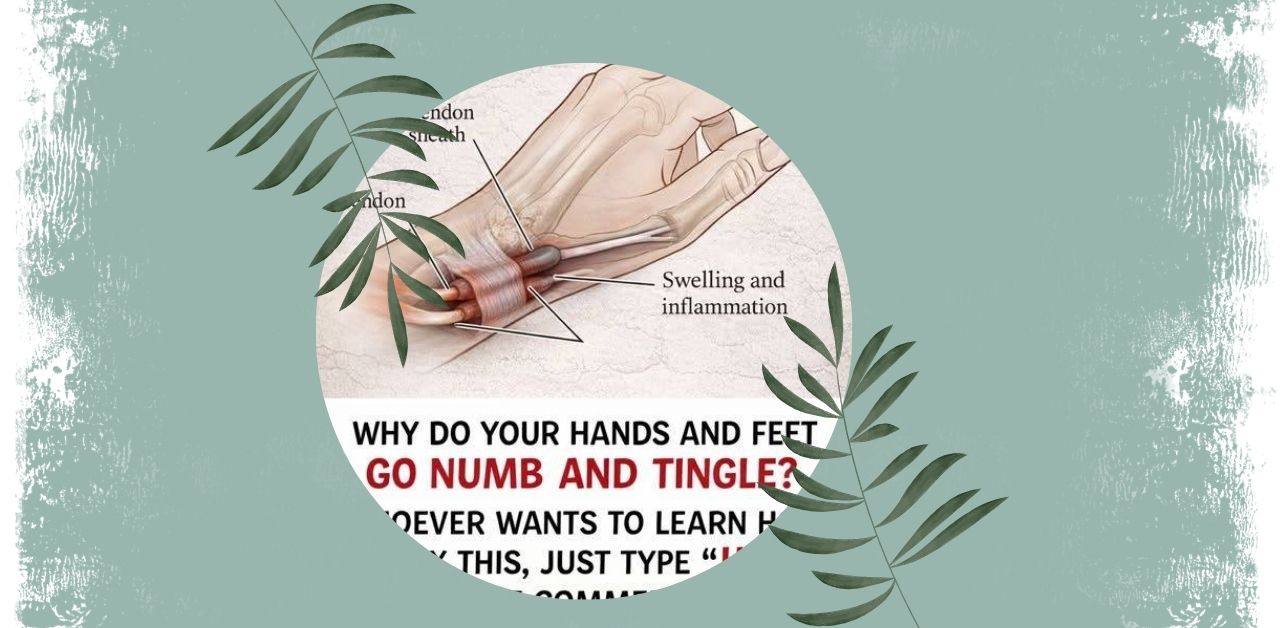
Numbness and tingling in the hands and feet are often signs of disrupted nerve communication, commonly linked to peripheral neuropathy, vitamin deficiencies, or circulation problems. While occasional “pins and needles” from pressure on a nerve is harmless, persistent or unexplained symptoms can indicate underlying health issues that require medical evaluation.
What Causes Numbness and Tingling?
Temporary Causes
- Pressure on nerves or blood vessels: Sitting awkwardly, crossing legs, or sleeping on an arm can compress nerves and reduce blood flow.
- Poor posture or repetitive strain: Typing, gripping tools, or prolonged standing can trigger temporary tingling.
Chronic or Medical Causes
- Peripheral Neuropathy: Damage to peripheral nerves, often due to diabetes, is the most common cause. Symptoms include burning, stabbing pain, numbness, and tingling. mayoclinic.org
- Vitamin Deficiencies: Lack of B vitamins (especially B12), folic acid, or vitamin E can impair nerve function. medlineplus.gov
- Circulatory Issues: Hardening of arteries, Raynaud’s phenomenon, or blood vessel inflammation can reduce blood supply to extremities. medlineplus.gov
- Autoimmune Disorders: Conditions like lupus, rheumatoid arthritis, or Guillain-Barré syndrome can attack nerves. mayoclinic.org
- Infections: Shingles, HIV, Lyme disease, and hepatitis can damage nerves. mayoclinic.org
- Endocrine Disorders: Hypothyroidism and diabetes are major contributors. mayoclinic.org
- Toxins and Medications: Alcohol misuse, chemotherapy, heavy metals (lead, mercury), and certain drugs can cause nerve damage. mayoclinic.org
- Injuries: Herniated discs, fractures, or repetitive strain injuries can compress nerves. medlineplus.gov
Symptoms to Watch For
- Gradual numbness or tingling starting in feet or hands, spreading upward.
- Burning or stabbing pain in extremities.
- Muscle weakness or balance problems.
- Extreme sensitivity to touch or feeling like wearing gloves/socks when not.
- Autonomic symptoms: sweating changes, dizziness, bladder or digestive issues. mayoclinic.org
When to Seek Medical Help
- If numbness/tingling is frequent, worsening, or unexplained.
- If accompanied by muscle weakness, dizziness, loss of balance, or bladder/bowel issues.
- If symptoms appear after injury or with sudden neurological changes (slurred speech, vision problems, confusion). medlineplus.gov
Diagnosis
Doctors may use:
- Blood tests (vitamin levels, blood sugar, thyroid, kidney/liver function).
- Electromyogram (EMG) and nerve conduction studies to assess nerve health.
- Imaging tests (MRI, CT scans) for spinal or brain involvement.
- Genetic testing for hereditary neuropathies. sutterhealth.org
Treatment and Management
- Address underlying causes: Control diabetes, correct vitamin deficiencies, treat autoimmune conditions.
- Lifestyle changes: Balanced diet, regular exercise, reduced alcohol intake, avoiding toxins. mayoclinic.org
- Medications: Pain-relievers, nerve-calming drugs, or topical treatments.
- Physical therapy: To improve strength, balance, and mobility. sutterhealth.org
Prevention Tips
- Eat a nutrient-rich diet with B vitamins, copper, and vitamin E.
- Exercise regularly to improve circulation and nerve health.
- Avoid excess alcohol, smoking, and toxin exposure.
- Manage chronic conditions like diabetes and thyroid disorders. mayoclinic.org
Final Note
Occasional tingling is normal, but persistent numbness or tingling is your body’s warning sign. Early diagnosis and treatment can prevent permanent nerve damage and improve quality of life. If symptoms are frequent or severe, consult a healthcare professional promptly.
Would you like me to create a step-by-step daily routine guide (diet, exercises, and lifestyle habits) specifically aimed at reducing numbness and tingling in hands and feet?